



























































Overview
“Imaginal Disk” is the second studio album by the American synth-pop duo Magdalena Bay. It was released on August 23, 2024, by Mom + Pop Music. The title is a double meaning that superimposes the biological “imaginal disc”—the embryonic organ primordium that exists inside the larva of an insect during metamorphosis—with the science-fiction motif of inserting a compact-disc-like object into the forehead.
The work is structured as a loose concept album that depicts the process by which the protagonist “True,” after having an “imaginal disk” implanted in order to obtain her ideal self, experiences her body rejecting it and then relearns “what it means to be human.” Musically it is grounded in synth-pop, dance-pop, and electronic rock while unfolding a maximalist soundscape that incorporates elements of progressive rock, disco, psychedelia, and shoegaze.
While it extends the catchy, meta internet-pop established on the previous album “Mercurial World” (2021), it is clearly expanded in structural freedom, the density of orchestration, and emotional amplitude. It scored 85 on Metacritic (based on 8 reviews) and received widespread acclaim.
Background of Production
Magdalena Bay is the duo of Mica Tenenbaum (vocals, production) and Matthew Lewin (production, arrangements, backing vocals). The two met in high school in Miami and initially formed a progressive-rock band influenced by Genesis and King Crimson. They later relocated to Los Angeles, shifted toward synth-pop, and began full-scale activity around 2016.
After achieving critical success with their debut album “Mercurial World,” they began work on the present album in 2022. They deliberately distanced themselves from the relatively classical pop-song structures of the previous record and chose a direction of “playing a little with structure.”
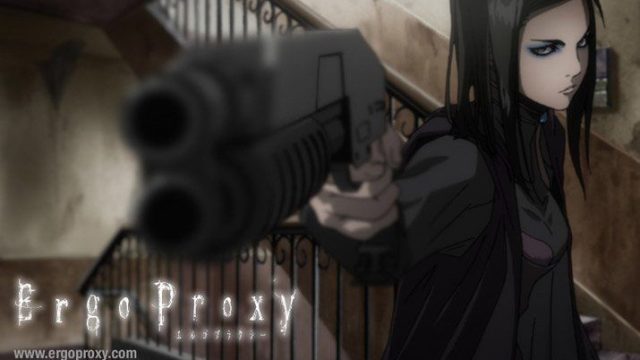
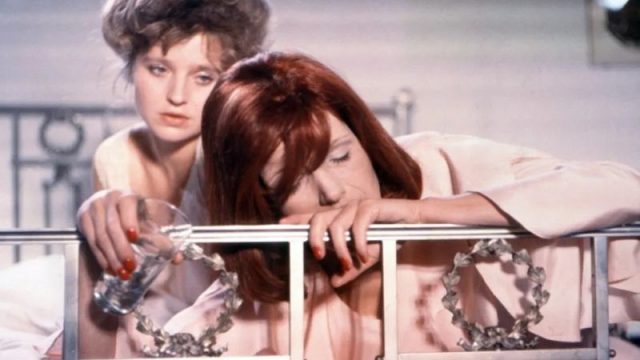
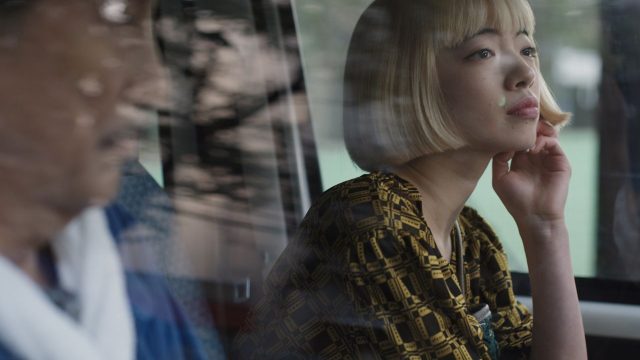
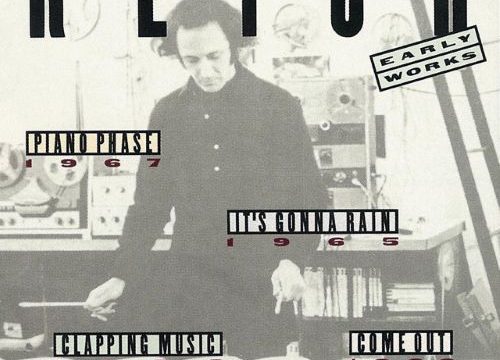
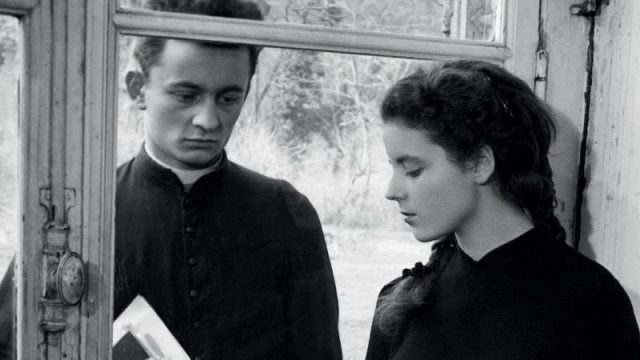
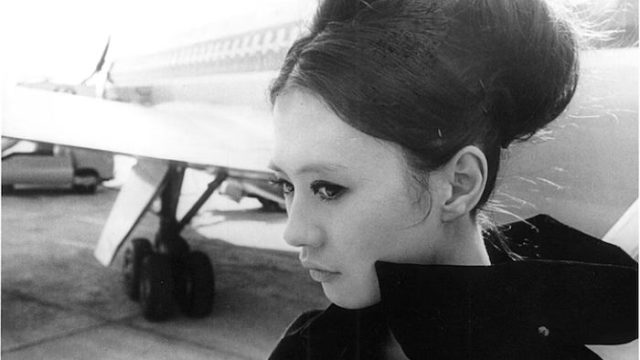
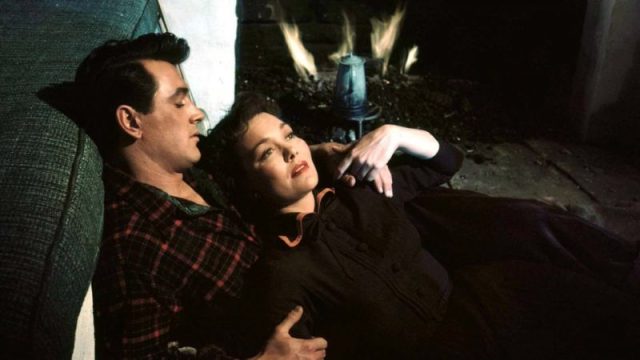
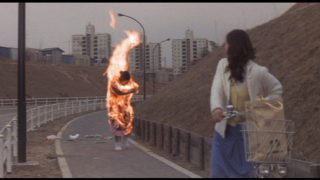
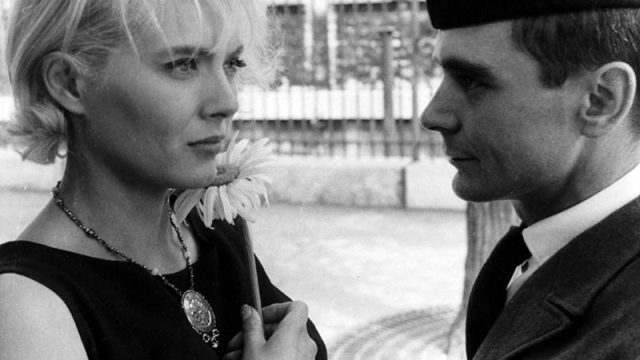
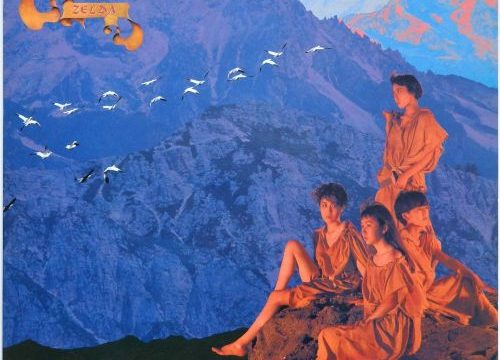
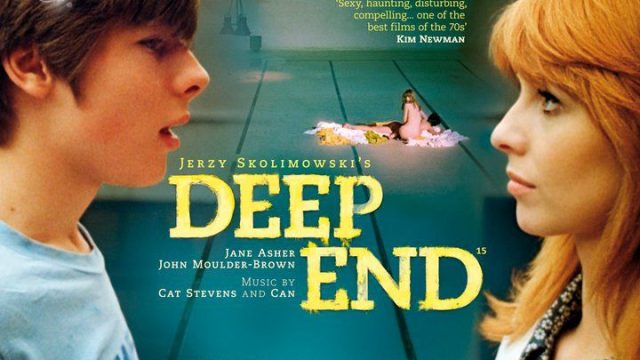
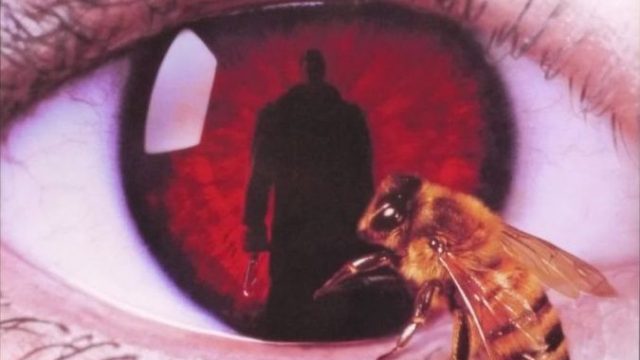
Tenenbaum has stated that during the production period she was revisiting the Beatles and Paul McCartney, Pink Floyd, Fiona Apple, Radiohead, St. Vincent, and others. Among the principal sources of influence they have cited are Fiona Apple’s songwriting, Björk’s “Selmasongs” (2000, the soundtrack to the film “Dancer in the Dark”), Electric Light Orchestra (ELO), and, among films, Andrei Tarkovsky’s “Solaris” (1972), Dario Argento’s “Suspiria” (1977), Jacques Demy’s “Donkey Skin” (1970), “Flash Gordon” (1980), and “House” (1977).
The title was conceived when Tenenbaum, while researching biological metamorphosis, encountered the term “imaginal disc” and, at the same time, already had the jacket concept of “inserting a disk into someone’s forehead.” The process by which an insect larva liquefies inside the pupa yet retains memory and a blueprint, then reconstructs itself as an adult, was overlaid with questions of “self,” “memory,” and “consciousness.”
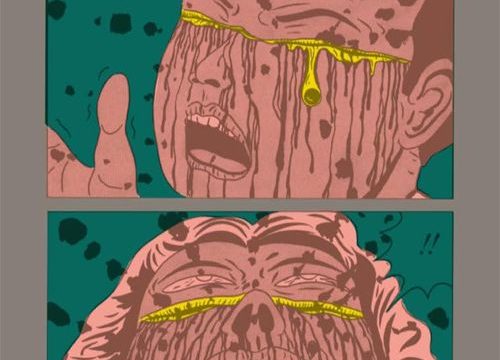
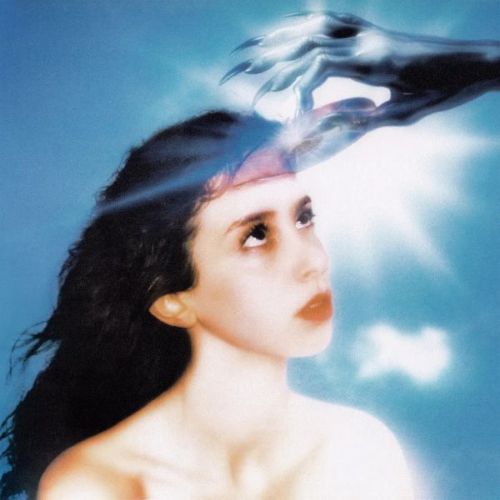
The jacket artwork was a collaborative production by the duo and Maria Shatalova; it depicts a demonic hand inserting a CD into Tenenbaum’s forehead.
The narrative functions as a “layer of meaning” superimposed after the songs were written and is concretized through the series of music videos (primarily directed by Amanda Kramer). The plot is that True has a disk implanted by aliens, suffers a rejection reaction, and then sets out on a journey to seek the core of humanity.
Recording took place mainly at their home studio “Mag Bay HQ”; some drums were recorded at Honeymoon Suite in Los Angeles, and the orchestra was recorded at IMRSV Studios in Stockholm. Mixing was handled by Dave Fridmann and mastering by Emily Lazar.
Production Methods
On the previous album, pseudo-strings had been constructed through detailed sample editing and synthesizer filtering; on the present album an actual Stockholm Studio Orchestra (conducted by Erik Arvinder) was introduced and live string and brass performances were boldly incorporated. Arrangements were handled by Lewin and Oliver Hill.
Nick Villa participated on drums, and live drums come to the fore on several tracks. This added organic propulsion to the conventional electronic beats. Production remains centered on the duo themselves, though Justin Raisen is credited with additional production on “Love Is Everywhere.”
The overall sound exhibits a maximalist direction—“more keyboards, more percussion, strings, synth harp”—and acquires a thickness and sheen reminiscent of 1990s Madchester, the developments following Tame Impala’s “Lonerism” (2012), and the sonic aesthetics of the CD era’s heyday. At the same time, progressive-rock-like developments and abrupt textural shifts are inserted throughout, preserving an experimental quality that does not stop at a mere expansion of pop.
Critical Reception
The album received high praise immediately upon release, scoring 85 on Metacritic and 7.9 on AnyDecentMusic?. NME awarded it 100 and described it as “a zeitgeisty time capsule of anxious post-internet existentialism and the online condition observed through a synthy flower-power lens.” The American music magazine and web media Under the Radar positioned it as “ambitious and forward-thinking, but in the midst of all of Magdalena Bay’s playful self-styled performance art, they also manage to deliver one of the year’s most rewarding pop albums.” Pitchfork (7.7) analyzed it as “warping the fundamentally optimistic sound of pop to suit a more cynical and paranoid reality.”
AllMusic characterized it as “a maximalist dance club atmosphere and ecstasy-laced, burning Wicker Man euphoria, all filtered through a dial-up computer dream of the pop future,” while Slant Magazine expressed it as “strange detours through a sonic hall of mirrors.”
Overall, voices that recognize the evolution from the previous work while highly valuing the coexistence of conceptual density and musical playfulness predominate. Although some have pointed to a lack of strict consistency in the concept or unevenness in the degree of completion from track to track, the album is generally regarded as one of the important achievements in mid-2020s pop.
Track-by-Track Commentary
1. “She Looked Like Me!” (lyrics and music: Mica Tenenbaum, Matthew Lewin)
It begins with glitches that evoke a scratched CD or skipping sound, then transitions smoothly into clear, music-box-like tones. Staccato percussion is added and the texture gradually thickens. The lyrics depict the protagonist confronting an ideal self-image that “looks like her,” foreshadowing the themes of transformation and self-recognition. The sudden intensifications followed by renewed convergence recall the duo’s progressive background.
2. “Killing Time” (lyrics and music: Mica Tenenbaum, Matthew Lewin)
It moves from a lounge-like introduction into a catchy disco / yacht-rock groove. Piano rolls and a classic guitar solo are added, blurring the boundary between pop and prog. The lyrics treat the sensation of consuming and waiting out time, musically embodying the everyday stagnation of the narrative’s opening. Live drums are strongly present, anticipating the organic side of the album as a whole.
3. “True Blue Interlude” (lyrics and music: Mica Tenenbaum, Matthew Lewin)
A short interlude. In a dream-like tone it announces “the purest you,” “the next stage, the next phase.” The phrase that dormant elements inside the self exist “in memory, mirror, and membrane” directly evokes the biological metaphor of the imaginal disk. The piano motif reappears later in “Feeling DiskInserted?,” strengthening the album’s structural unity.
4. “Image” (lyrics and music: Mica Tenenbaum, Matthew Lewin)
One of the representative singles. A disco-pop track based on a modulating bassline and a 4/4 kick. It takes as its theme the encounter with a new self-image and transformation; the refrain “Meet your brand new image” is memorable. Countdown-like elements connect to the later “Tunnel Vision.” A core pop track of the album in which catchiness and strangeness coexist.
5. “Death & Romance” (lyrics and music: Mica Tenenbaum, Matthew Lewin)
The lead single. A long, dramatic track that builds gradually from piano chords with synthesizers and drums. It deals with the obsession and destructiveness of love; lyrics such as “My hands, your hands / I’ll hold forever” and “You know nothing is fair in death and romance” expose the excess of emotion. The large choruses recall the large-scale pop production of the 1990s and simultaneously depict emotional exaltation and collapse. One of the emotional peaks of the album.
6. “Fear, Sex” (lyrics and music: Mica Tenenbaum, Matthew Lewin)
A short, sharp track. Criticism of the computer-mediated extension of the human and of “putting wires in your head” is embedded in the lyrics. The phrase “Shoulda known those dirty bastards / Would put wires in your head” directly expresses the violence of disk insertion and distrust of technology. The dark, introspective tone suggests a turning point in the narrative.
7. “Vampire in the Corner” (lyrics and music: Mica Tenenbaum, Matthew Lewin)
A track whose lyrics the duo themselves have said are their favorite on the album. Gothic, theatrical vocals depict a perverse love that continues even after being hurt. The line “Someone call the coroner / ’Cause you’re breaking my heart / My god, I think I mighta loved you too much” vividly conveys the binding of pain and dependence. Tension drifts within a dream-pop atmosphere.
8. “Watching T.V.” (lyrics and music: Mica Tenenbaum, Matthew Lewin)
A track containing body-horror elements that calls out “It’s time to meet / The monsters inside you.” Lyrics such as “If you wanna be clean / You gotta scrub until the blood comes out” blur the boundary between self-purification and self-destruction. The production begins in a chill tone and gradually increases distortion. It musically embodies the confrontation with the inner monsters of the narrative.
9. “Tunnel Vision” (lyrics and music: Mica Tenenbaum, Matthew Lewin)
The central track of the album, exceeding five minutes. It begins with synth-harp arpeggios, gradually heightens tension, and finally arrives at an improvisational development. It treats themes of artificial intelligence and self-loathing; the countdown begun on “Image” ends here. Progressive-rock structure and synth-rock propulsion fuse, strongly recalling the duo’s roots in their prog-band days. A highlight especially emphasized in live performance.
10. “Love Is Everywhere” (lyrics and music: Mica Tenenbaum, Matthew Lewin)
A disco track characterized by a wavering theremin. The psychedelic instrumental is a reconstruction of the beat the duo produced for Lil Yachty’s “Running Out of Time” (2023).
11. “Feeling DiskInserted?” (lyrics and music: Mica Tenenbaum, Matthew Lewin)
A short interlude of under one minute. It carries a science-fiction atmosphere and directly questions “the sensation of having a disk inserted.”
12. “That’s My Floor” (lyrics and music: Mica Tenenbaum, Matthew Lewin)
A progressive / psychedelic synth-funk track that plays with pitch and tempo and incorporates an unstable synth-bass solo and space-laser-like sounds. The sense of discovery “Never really noticed I’m the transcendental type” appears in the lyrics. It concludes with a guitar solo.
13. “Cry for Me” (lyrics and music: Mica Tenenbaum, Matthew Lewin)
A major disco-pop piece. While conscious of an homage to ABBA’s “Dancing Queen,” it is pushed in a more moody and dramatic direction. The desire to wash away sin and be reborn as a pure existence is embedded in the lyrics. Strings and synthesizers layer thickly, forming the emotional climax of the album’s latter half. One of the tracks especially highly regarded by many critics.
14. “Angel on a Satellite” (lyrics and music: Mica Tenenbaum, Matthew Lewin)
A relatively relaxed ballad centered on acoustic piano. Baroque-pop elements and natural sounds mix, depicting the quiet and solitude that form the background of the narrative. Tenenbaum’s vocal maintains an intimate, introspective tone.
15. “The Ballad of Matt & Mica” (lyrics and music: Mica Tenenbaum, Matthew Lewin)
It re-performs the melody of the opening track “She Looked Like Me!” and completes a circular structure. A self-referential song that alludes to the real lives of Tenenbaum and Lewin—the path that led to their activities in Los Angeles.
Track Listing
Total length 53:36 (some digital editions list 53:42).
- She Looked Like Me! – 3:13
- Killing Time – 3:53
- True Blue Interlude – 1:49
- Image – 3:32
- Death & Romance – 5:14
- Fear, Sex – 2:32
- Vampire in the Corner – 3:22
- Watching T.V. – 4:05
- Tunnel Vision – 5:05
- Love Is Everywhere – 3:14
- Feeling DiskInserted? – 0:58
- That’s My Floor – 3:29
- Cry for Me – 5:07
- Angel on a Satellite – 4:03
- The Ballad of Matt & Mica – 4:00
Personnel
Magdalena Bay
- Mica Tenenbaum – production, vocals
- Matthew Lewin – production, string/brass arrangements, backing vocals
Additional musicians
- Nick Villa – drums
- Erik Arvinder – orchestra conductor
- Stockholm Studio Orchestra (violins, violas, cellos, double bass, trumpets, French horns, trombones, and others)
- Oliver Hill – string/brass arrangements (co-)
- Jon Fridmann – additional trumpet (track 1), etc.
Technical staff
- Dave Fridmann – mixing
- Emily Lazar – mastering
- Justin Raisen – additional production (“Love Is Everywhere”)
- Pat Jones – drum engineering (selected tracks)
- Willem Bleeker, Erik Arvinder – orchestra engineering
Other
- Jacket art: Maria Shatalova
- Layout/design: Remi Volclair
Streaming Services
Search Links
Search for “Magdalena Bay Imaginal Disk” on Amazon.com
Search for “Magdalena Bay Imaginal Disk” on Apple Music