

























































Overview
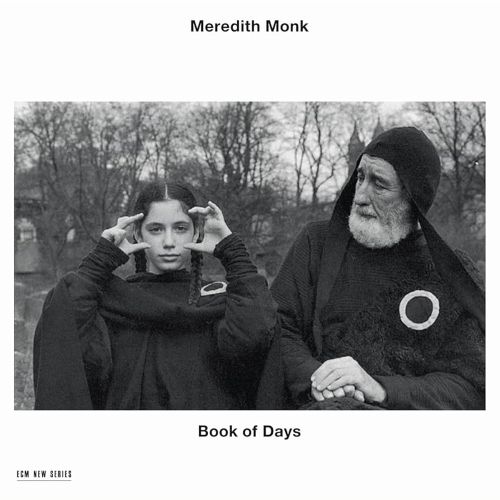
“Book of Days” is a studio album by the American composer, vocalist, and choreographer Meredith Monk.
The album was recorded in 1989 at Clinton Studios in New York and released on CD and LP in 1990 on ECM Records’ sister label ECM New Series.
The album consists of 14 pieces based on the music of Monk’s film of the same title (1988).
It is not a soundtrack of the film, but an autonomous music album — what Monk and ECM producer Manfred Eicher have described as “a film for the ears.”
About the Artist
Meredith Monk (born 1942 in New York) is known for developing a unique artistic language, called “interdisciplinary performance”, combining music, theater, and dance since the 1960s, and has made numerous recordings for ECM Records.
Monk is particularly famous for her “extended vocal technique,” which treats the human voice as a musical instrument.
About the Film “Book of Days” (1988)
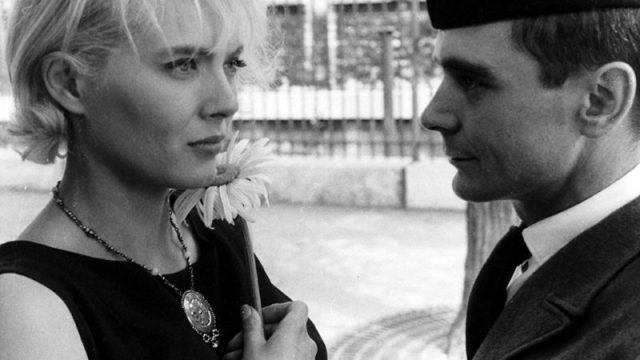
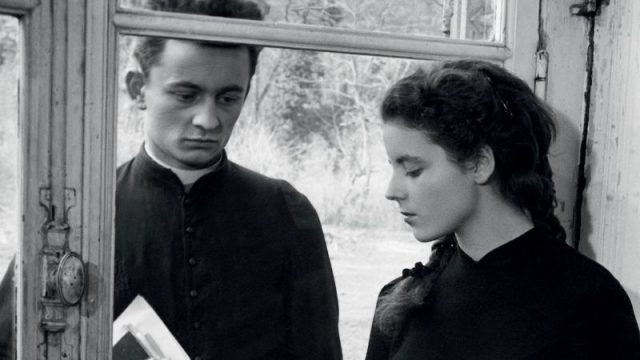
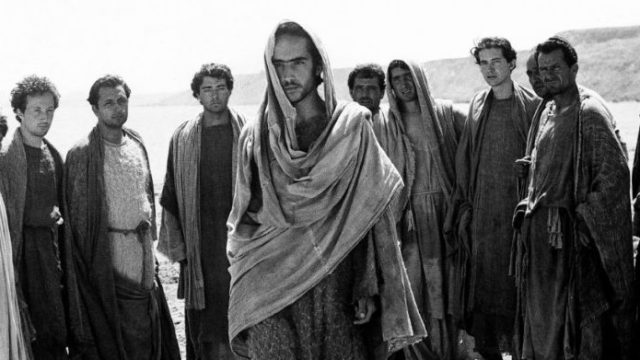
“Book of Days” is an art film directed and composed by Meredith Monk.
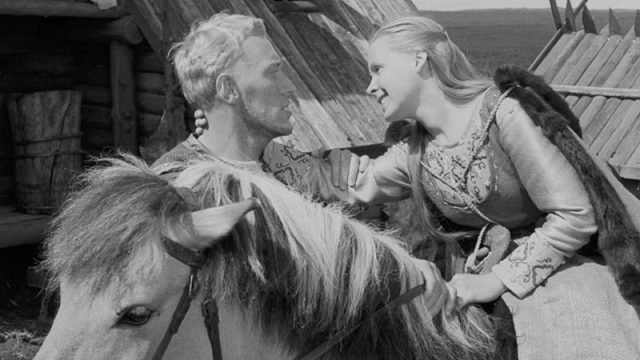
This work is set in a medieval Jewish and Christian community where the plague is prevalent, and depicts a Jewish girl who uses her precognitive abilities to see visions of 20th century society.
There is little dialogue, and the emphasis is on music, physical movement, and visual expression.
Most of the scenes were shot in Cordes-sur-Ciel, France.
According to Meredith Monk’s official website, “Book of Days” is “a film about time, originally drawing parallels between the Middle Ages, a time of war, plague and fear of the Apocalypse, with modern times of racial and religious conflict, the AIDS epidemic, and fear of nuclear annihilation.”
Trailer
Commentary
This album is a musical work that reconstructs the sound sources used in the film “Book of Days.”
The album centers on a twelve-member vocal ensemble (vocalise), led by Monk herself and including voice-empowerment coach and psychotherapist Naaz Hosseini, composer/cellist/vocalist Robert Een, musician/conductor/composer Wayne Hankin, and Toby Newman, who played the role of the Jewish girl in the film.
It is characterized by nonverbal vocalization that eliminates linguistic meaning to the extreme and treats the human voice as pre-linguistic sound.
In some pieces, instruments such as cello, violin, hurdy-gurdy, grosser bock (bagpipe), bass recorder, keyboards, hammered dulcimer, and piano are used.
In this work, Monk refers to the styles of Jewish cantillation and Gregorian chant, and reinterprets the sounds of religious and folk music using the idioms of contemporary music, creating a medieval-inflected sound world imbued with a sense of ritual and primitiveness.
It is an enchanting and luminous vocal album, featuring lyrical melodies and beautifully woven choral harmonies.
A non-linear sense of time, marked by repetition and suspension, is particularly striking.
Streaming Services
Track Listing
The seventh track, “Dusk,” was composed by Wayne Hankin; all the other tracks were composed by Meredith Monk.
- “Early Morning Melody” – 1:282
- “Travellers 1, 2, 3” – 2:31
- “Dawn” – 3:18
- “Travellers 4 / Churchyard Entertainment” – 6:34
- “Afternoon Melodies” – 4:46
- “Fields/Clouds” – 2:21
- “Dusk” – 2:31
- “Eva’s Song” – 0:48
- “Evening” – 2:51
- “Travellers 5” – 1:55
- “Jewish Storyteller/Dance/Dream” – 4:54
- “Plague” – 3:10
- “Madwoman’s Vision” – 7:40
- “Cave Song” – 3:48
Personnel (Meredith Monk & Vocal Ensemble)
- Meredith Monk – Voice, Keyboard
- Naaz Hosseini – Voice, Violin
- Robert Een – Voice, Cello
- Andrea Goodman – Voice
- Nicky Paraiso – Voice
- Ching Gonzalez – Voice
- Timothy Sawyer – Voice
- Johanna Arnold – Voice
- Joan Barber – Voice
- John Eppler – Voice
- Wayne Hankin – Voice, Grosser Bock, Hurdy Gurdy, Bass Recorder
- Toby Newman – Voice
- Nurit Tilles – Keyboard, Hammered Dulcimer, Piano
Search Links
Search for “Meredith Monk Book of Days” on Amazon.com
Search for “Meredith Monk Book of Days” on Apple Music