













































Overview
“Kes” is a 1969 British film directed by Ken Loach. It is based on the novel “A Kestrel for a Knave” (1968) by Barry Hines, with the screenplay co-written by Hines, Loach, and Tony Garnett. The running time is approximately 112 minutes.
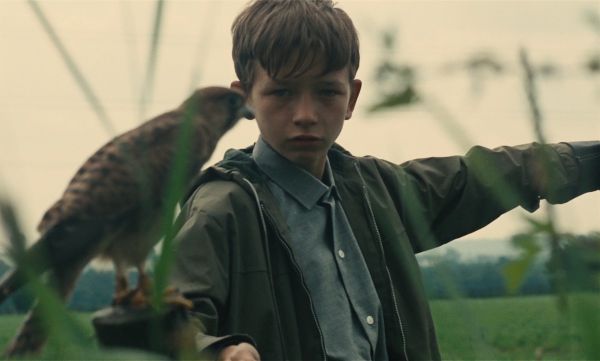
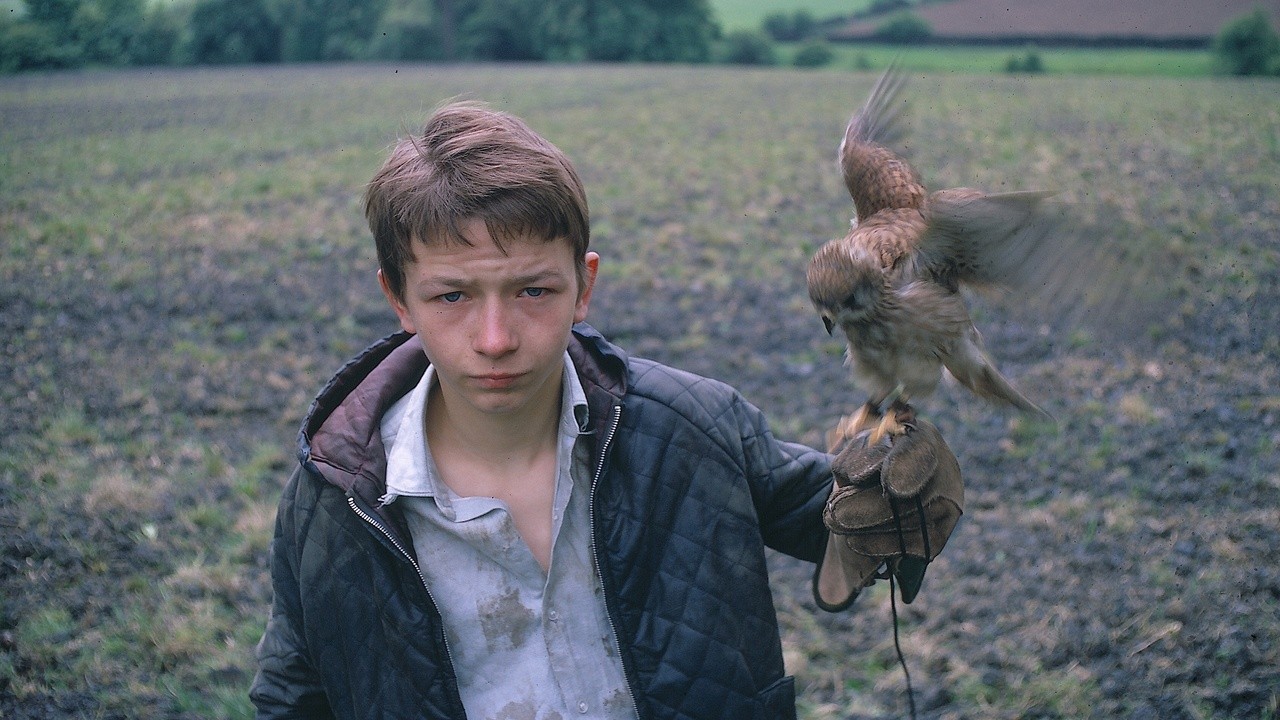
Set in a mining town near Barnsley in South Yorkshire in northern England, the film is a coming-of-age drama that depicts the process by which 15-year-old Billy Casper, who grows up in a poor working-class family and leads a lonely life oppressed both at home and at school, finds temporary fulfilment and self-affirmation through raising and training a wild kestrel chick. It is Loach’s second theatrical feature film.
It was ranked 7th in the British Film Institute’s (BFI) “Top 100 British Films of the 20th Century.”
Trailers
Film Data
- Production: Woodfall Film Productions, Kestrel Films
- Director: Ken Loach (credited as Kenneth Loach)
- Screenplay: Barry Hines, Ken Loach, Tony Garnett
- Based on: “A Kestrel for a Knave” by Barry Hines
- Producer: Tony Garnett
- Cinematography: Chris Menges
- Editing: Roy Watts
- Music: John Cameron
- Main Cast: David Bradley (Billy Casper), Freddie Fletcher (Jud), Lynne Perrie (Mrs. Casper), Colin Welland (Mr. Farthing), Brian Glover (Mr. Sugden), Bob Bowes (Mr. Gryce), and others
- Language: English (with prominent South Yorkshire dialect)
- Format: 35mm colour, aspect ratio 1.66:1
- Budget: approximately £157,000
Plot Summary
In the late 1960s in the South Yorkshire mining region, 15-year-old Billy Casper lives with his mother and half-brother Jud in a council house in a mining town. His brother works as a coal miner. His mother shows little interest in her sons, and his brother routinely subjects Billy to violence. At school, Billy performs poorly, receives reprimands and corporal punishment from teachers, and senses that he is destined for work in the mines in the near future.
One day, Billy captures a kestrel chick from a nest on the wall of a derelict farm and names it “Kes.” Relying on a book on falconry that he steals from a bookshop, he trains the bird on his own.
Through his relationship with the bird, Billy experiences a sense of self-fulfilment for the first time. The English teacher Mr. Farthing regards Billy positively and treats him kindly, but the circumstances surrounding Billy do not change, and the careers interview reveals a future with almost no options other than working in the mines. Eventually, a minor monetary dispute with his brother brings a tragic outcome to Billy’s relationship with Kes.
Commentary
Production Background
The author of the original novel, Barry Hines, was born in Hoyland Common near Barnsley and had experience teaching physical education and English in London and South Yorkshire. The novel critically depicts the educational selection system based on the 11-plus examination taken at around age 11. It is said that his brother Richard’s actual experience of training a hawk was one of the inspirations for the story.
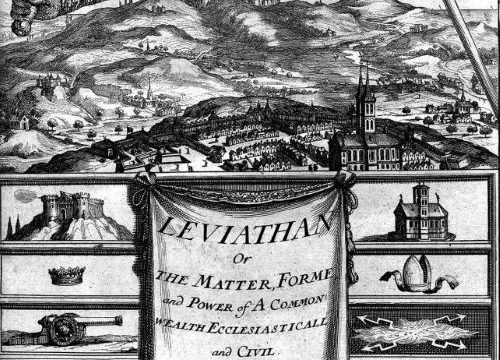
The title of the original novel derives from the final line of a table matching ranks of society with birds of prey found in the 15th-century book of falconry “The Book of Saint Albans” (Boke of Seynt Albans, 1486) and related Harley manuscripts: “a Kestrel for a Knave.”
The project for the film began when producer Tony Garnett read the novel and proposed the adaptation to Ken Loach. Loach and Garnett had established a method of documentary-style drama dealing with social issues in works such as the BBC television drama “Cathy Come Home” (1966).
Loach and Garnett established the production company Kestrel Films with the aim of making the film freely as a theatrical feature.
In terms of financing, they obtained investment from United Artists through the mediation of Tony Richardson. The shooting period was approximately seven to eight weeks, the budget was kept low, and mainly local non-professional actors were used.
Locations
Filming took place entirely on real locations in South Yorkshire, in and around Barnsley (including Hoyland, Tankersley, Athersley, and others).
Billy’s house was at 56 Parkside Road in Hoyland, the school was the former St Helen’s Secondary School in Athersley South, the derelict farm where the bird was taken was around Old Hall Farm in Tankersley, and the field where Kes is flown is Hoyland Common. Only the bookshop scene was filmed in Leeds.
Casting
Apart from Colin Welland, who played Mr. Farthing, almost all the performers were non-professional actors or local people. David Bradley, who played the lead role of Billy, was a newcomer with almost no acting experience selected from local school pupils. Brian Glover, who played the PE teacher Mr. Sugden, was actually working as a teacher at a school in Barnsley at the time of filming and was a colleague of Hines. Glover was also active as a professional wrestler and naturally adapted to Loach’s improvisational shooting method.
Yorkshire Dialect
The film uses the Yorkshire dialect as it is. In a 2013 interview, Loach recalled that when United Artists held a screening for American executives at the time of release, they were told that the dialect in the film was “more understandable in Hungarian.” Some overseas versions, including the US release version, were dubbed to aid comprehension.
Cinematography
Cinematography was handled by Chris Menges. Loach originally wanted to shoot in black and white, but United Artists demanded colour. As a compromise, the negative film was pre-flashed (given a slight pre-exposure) to achieve a muted colour palette.
Natural light was used as the basis, and the camera employed lenses with a relatively narrow angle of view close to standard human vision, maintaining an observational distance to heighten the documentary-like sense of immediacy.
Directorial Style
Acting direction was kept to a minimum, and improvisational elements were incorporated to elicit natural reactions. John Cameron’s musical score is restrained and does not excessively heighten emotion. Overall, the film inherits the styles of Italian neorealism and British Free Cinema while establishing Loach’s own social realism.
Thematic Analysis
Critique of the Education System
The central theme of the film is a critique of the structure by which the tripartite system of education in Britain at the time suppressed the potential of working-class children. Children who “failed” the 11-plus examination taken at around age 11 were sent to secondary modern schools and channelled toward unskilled labour or work in the mines.
Although Billy has difficulty with reading and writing, he independently masters the advanced skill of training a bird. However, at the secondary modern school he attends, corporal punishment is routine, lessons do not cultivate the pupils’ interests, and the careers guidance offers almost no options other than the mines. This contrast shows that the system does not properly evaluate or develop individual abilities. Loach himself has said that he would like to dedicate the film “to all the lads who failed the 11-plus.”
Scenes such as the headmaster Mr. Gryce lining up late pupils and administering corporal punishment, and the PE teacher Mr. Sugden forcing a football match while identifying himself with a Manchester United player and treating Billy coldly, depict the exercise of power and self-satisfaction on the part of educators with a touch of satire. On the other hand, Mr. Farthing is portrayed as one of the few conscientious teachers who listens to Billy’s interests, but he is not in a position to change the system as a whole.
Mechanisms of Class Reproduction
The film depicts domestic violence and indifference, as well as the closed nature of the mining-town community, as mechanisms of class reproduction. Billy’s family is caught in a cycle of poverty and violence. His brother Jud, who works in the mines, routinely beats Billy. His mother is preoccupied with her own private life and pays no attention to Billy. The depiction of Jud’s daily life in the mines indicates that his violence is not merely a matter of individual character but a product of the environment.
Motifs of Freedom and Domination
For Billy, Kes is not merely a pet but functions as a symbol of freedom and dignity that resists domination by others.
As shown in the famous line Billy speaks to Farthing — “Hawks can’t be tamed. They’re manned. It’s wild and it’s fierce and it’s not bothered about anybody. Not bothered about me, right? That’s what makes it great.” — it is treated not as something to be “tamed” but as something to be “manned.” For Billy, the relationship with Kes is the only one that provides a free and equal connection free from domination by others. However, that freedom is fragile and is easily destroyed by the violence of those around him.
Release
The film had its premiere in London in November 1969 and was released generally in Britain in 1970. The US release was around September 1970.
Reception and Evaluation
In its home country of Britain, the film initially struggled with distribution but became a hit through word of mouth. In America, partly because of the dialect, it was not a commercial success, but critics such as Roger Ebert highly praised it.
The film was ranked 7th in the British Film Institute’s (BFI) “Top 100 British Films of the 20th Century” (1999).
It is now widely recognised as one of Loach’s representative works and a classic of British social realist cinema.
Awards
- 1970: Karlovy Vary International Film Festival – Crystal Globe
- 1971: Writers’ Guild of Great Britain Award – Best British Screenplay
- 1971: BAFTA Award for Best Supporting Actor (Colin Welland)
- 1971: BAFTA Award for Most Promising Newcomer (David Bradley)
Home Media
In 2011, the Criterion Collection released a digitally restored DVD and Blu-ray. Special features include a documentary featuring Loach, Menges, Garnett, Bradley and others, as well as an alternative international soundtrack. Multiple editions have also been released in Britain by MGM, the BFI, and others.
Search Links
Cross-Search for “Ken Loach Kes” on JustWatch
Search for “Ken Loach Kes” on Amazon.com
Detailed Plot Summary (Spoilers)
Morning at Home and the Newspaper Round
Early in the morning, Jud wakes his younger brother Billy, who is sleeping in the same bed, with the crude words “Hands off cocks, on socks!” and subjects him to violence.
Their father left the family and walked out of the house a considerable time earlier, and their mother speaks of the children’s future in a resigned tone as a “hopeless case.”
After Jud leaves for the mine, Billy goes out on his newspaper round. During the round, Billy steals milk and eggs from a milk delivery float.
Oppression and Corporal Punishment at School
At school, Billy is unable to concentrate in class and becomes the target of mockery and bullying from classmates and teachers. At the morning assembly, the headmaster Mr. Gryce lines up the late pupils, including Billy, and administers corporal punishment with a cane. The headmaster abuses the children, calling them “Mere fodder for the mass media” — of no more value than material for newspapers and television to consume as stories of delinquent youth.
Encounter with Kes and Obtaining the Book
One day, Billy brings home a kestrel chick from a nest on the wall of a derelict farm and names it “Kes.” He goes to the library to research how to raise the bird, but as a minor he cannot obtain a library card without adult authorisation. Billy steals a book on falconry from a second-hand bookshop and begins training Kes with the aid of that book.
When Jud finds the book Billy has brought home, he mocks Billy and threatens to shoot the bird with a gun.
Progress in Training
Kes does not easily become accustomed to people, but Billy patiently continues the training with the help of the book, and eventually Kes comes to perch on his shoulder.
Through his relationship with the bird, Billy’s expression gradually brightens and he begins to show concentration.
The PE Football Match
During PE, the teacher Mr. Sugden, identifying himself with Bobby Charlton and wearing a Manchester United kit, forces the pupils to play a football match. Sugden himself acts as both player and referee, humiliates Billy by placing him in goal, and after the match forces Billy to take a cold shower in the changing room.
Mr. Farthing’s Class
In English teacher Mr. Farthing’s class, the pupils talk about “fact and fiction.” For the first time, Billy speaks at length about training Kes. Both classmates and teacher listen intently, and Farthing praises it as “The most exciting thing I’ve ever seen in me life.”
Farthing visits near Billy’s house and witnesses Billy actually flying Kes. In the quiet conversation that follows, Billy tells Farthing, “Hawks can’t be tamed. They’re manned. It’s wild and it’s fierce and it’s not bothered about anybody. Not bothered about me, right? That’s what makes it great.”
Careers Interview
In the careers interview, the officer dismisses Billy as suited only for manual labour and suggests work in the mines. Billy strongly refuses, saying he will not go down the mines.
The Betting Incident
Afterwards, Jud entrusts Billy with money for a bet and instructs him to put it on two horses.
Misuse of the Money and Tragedy
Billy is told by an acquaintance that the horses are unlikely to win and spends the money on fish and chips and food for Kes. However, the horses win, and Jud is furious at having missed a payout of more than £10. After searching for Billy, Jud releases Kes from the shed and, when the bird returns, kills it and throws it into a dustbin.
Ending
Billy retrieves Kes’s body from the dustbin, takes it home, and confronts Jud and his mother with it. After a violent argument, Billy buries Kes on the hillside overlooking the field where he used to fly the bird.